Showing posts with label Green Home. Show all posts

Friday, March 23, 2012

Build It Green - Community Design

OK, our final component of a green home, Community Design, and then we can get back to microclimate and trees.  While improving the efficiency and health of a tract home in a large suburban sprawl development is a good thing, even better is good community design in the first place, or adaptation of less efficient community structure to concentrate services, improve pedestrian access and expand open space.

SFStreetsBlog
"Livable communities enhance the quality of life while reducing impact on the environment. Pedestrian and bicycle friendly neighborhoods provide opportunities for exercising and meeting neighbors.  High density areas where work, shopping and school are all close by allow for less time driving and fewer greenhouse gas emissions from cars." The "new urbanism" everyone's transforming old cities with these days is our 5th green home component. There are multiple benefits to human and environmental health, not to mention enhanced real estate values.

SafeRoutesToSchools
 One of the major attractions of Marin and San Francisco is the abundance of open space adjacent to wonderful walkable communities. While a Google search will turn up conflicting rankings of healthiest cities, our fair metropolis is often touted as the "most walkable".  Preservation efforts, both of wildlands and historic character, by many valiant individuals over the years, have enhanced the quality of life here immeasurably. Worthy organizations such as SPUR, the Marin and San Francisco Bicycle Coalitions, Safe Routes to Schools and many others, continue to work to improve our communities usability and quality of life.


Livablecities.org

Sunday, March 18, 2012

Build It Green - Resource Conservation

Dreamstime
In part 4 of our series on what makes a green home green, according to Build It Green, we are going back to the 3R's: Reduce, Reuse and Recycle, which all add up to Resource Conservation. 

TerraMai

Whether remodeling or building new, there are cost, waste and energy savings to be had through resourceful use of materials, smart construction and efficient design. Admittedly, it can cost a lot more in labor to save old materials during demolition, and re-use them, so it's often a judgement call whether materials are realistically salvageable. "Adaptive reuse has long been praised for being a sustainable form of development that reduces waste, uses less energy, and scales down on the consumption of building materials. However, beyond these environmental benefits, reuse projects may also have the ability to foster a greater sense of community and provide a springboard for the economic growth of a neighborhood."

HistoricPreservationBlog
Historic materials lend real heart and charm to new or reconstructed buildings, which can increase value enough to be worth the extra effort and cost required to salvage rather than start fresh. Wide plank floors are particularly beautiful, and many old structures in our area were built with amazing old growth redwood and fir, and of course all the crazy gorgeous millwork, and tin work etc. are absolutely worth saving.

FoundSF

The planters on the front deck of the beautifully remodeled 1566 Sanchez  for example, (Slide 16 of exteriors), are sheathed in lath from the original roof. This particular wonderful remodel was done by eco+historical aiming for LEED Platinum, so there are countless green features, no doubt they would prefer I highlight something less cosmetic then reuse of the lathe. For that I refer you back to the websites, as they are beautifully detailed there and there.

Next post we'll look at some more affordable expressions of Resource Conservation, for the DIY or thinner wallet set. Given that necessity is the mother of invention...

Monday, February 27, 2012

Build It Green - Indoor Air Quality

As discussed here, the 5 components of a green home are:
Energy Efficiency
Indoor Air Quality
Water Conservation
Resource Conservation
Community Design.

Our spring winds are here, brrrrrr, so our air quality outside is excellent, if bitter and blustery. Indoor air quality can be another story. Air inside homes can be 10 times more polluted than outdoor air. Commonly used adhesives, paints and finishes contain compounds that are known to cause cancer or trigger asthsma. Poor ventilation can also lead to excessive dust and mold, which also have adverse health affects.


Maineaudit.com


Indoor air quality upgrades include low-VOC building products, carpets and flooring, insulation, Energy Star bath fans, sealed front fireplaces, range hoods properly vented to outdoors, MERV 6+ filter, and tight airducts.

Poor ventilation in appliances such as furnaces, water heaters and clothes dryers, along with leaky ductwork in your heating and cooling system may cause "backdrafting". This is where gases are drawn back in to the living area, from the interstitial places in the building, rather than to the outdoors. Outdoor air is of much higher quality than the air from inside the walls, so getting your ductwork up to snuff can really make a difference in indoor air quality.

ACDOC

Making these improvements to your home will improve your quality of life and protect your family's health, as well as add value to your home should you decide to sell. If you are buying, you can keep an eye out for these features, or consider an energy efficient mortgage to get these upgrades completed when you purchase.


Thursday, February 16, 2012

Build It Green - Energy Efficiency

OK, here goes. My brief synopsis, one per post, of the 5 main components of a "green" home: Energy Efficiency, Indoor Air Quality, Water Conservation, Resource Conservation and Community Design.

Today's topic is Energy Efficiency, which the Build It Green folks call the "Cornerstone of Green"


RemodelingContractorTips.com

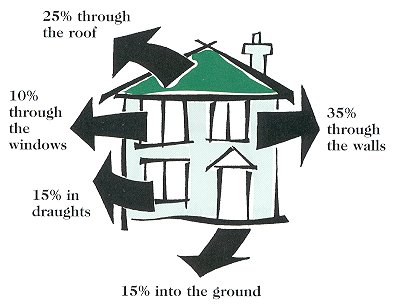
Energy efficient homes are less drafty, quieter and less expensive to heat then less efficient homes. They demand less from California's power grid and reduce your homes impact on climate change. They also "sell faster and fetch higher prices."

As the SF Department of the Environment points out, how we use energy is as important as how its produced and where it comes from (here are resources for energy efficiency in Marin). Improving your homes energy efficiency can be as simple as installation of weather stripping, upgrading insulation or installing a set back thermostat or a Nest thermostat. Conducting an energy assessment, or audit, is the best way to get the big picture, which can guide you to the most bang for your buck. 

Energy Detectives

You can do your energy assessment yourself, if you are inclined that way, or you can enlist the services of a professional, who has specialized equipment and can do a blower test and thermographic scan (aka infrared scan), which will give you a pretty picture of your home and where it is leaking heat (or where there is moisture, but that's for another post).  Energy Upgrade California is your "one stop shop for home improvement projects that lower your energy us, conserve water and natural resources and make your home healtier and more comfortable."  Plus they offer rebates (which vary by city/county) to encourage such fabulous behavior.